Tournament Arcs Are Anime's Biggest Gamble — Here's Why Most of Them Lose
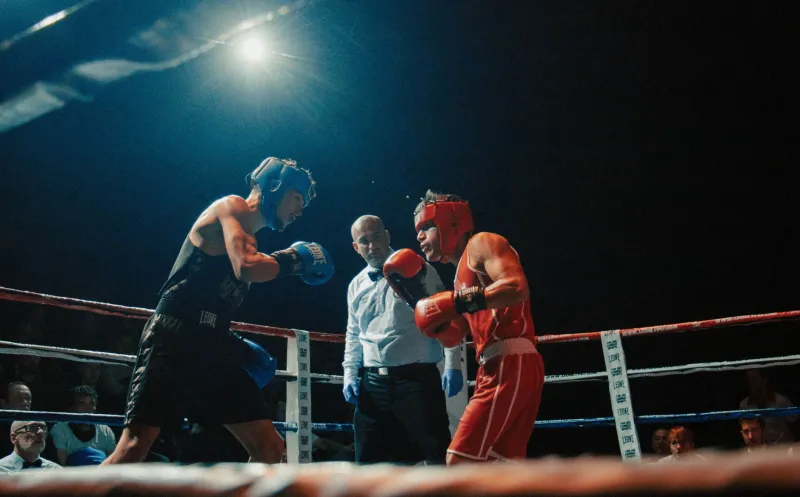
On paper, a tournament arc is a gift. You have a built-in structure that guarantees conflict. Every match has a winner and a loser, which means every match has stakes. You have an excuse to put your entire cast on screen in rapid succession, showing off what they can do while developing them in the process. The audience knows what's coming — round after round of escalating fights — and they're already excited about it.
So why do so many tournament arcs feel like homework?
This isn't a niche problem. Some of the most beloved, highest-profile anime in the US have produced tournament arcs that ranged from "fine" to genuinely frustrating. My Hero Academia's U.A. Sports Festival gets name-dropped constantly as a highlight — but the Provisional License Exam arc that followed? Less so. Jujutsu Kaisen's Goodwill Event has moments of genuine brilliance buried in structural decisions that slow it down at the worst possible times.
The pattern is consistent enough that it's worth pulling apart. What specifically goes wrong? And what do the arcs that actually work do differently?
The Filler Disguised as Setup
Here's the most common failure mode: the tournament arc that uses its match structure as an excuse to pause the plot rather than advance it.
This shows up in a specific way. A fight starts. One character is clearly outmatched. Instead of the fight resolving quickly and honestly — which would be dramatically efficient — the narrative pumps the brakes to deliver three episodes of backstory about the character who's about to lose. By the time the match ends, you know everything about a person who is now eliminated and will have minimal impact on the rest of the story.
This isn't inherently wrong. Backstory can be powerful. The problem is timing and proportion. When the backstory arrives mid-fight, it deflates the tension of the fight. You're no longer watching two people compete; you're watching the narrative explain why the outcome that's about to happen is sad. The emotional work the backstory is doing would land harder if it came before the fight, when the audience still has uncertainty about the outcome.
My Hero Academia's Sports Festival largely avoids this trap by front-loading character development. By the time Todoroki and Midoriya are in the final, you already understand what each of them is carrying into that fight. The match itself becomes the payoff, not the setup.
The Stakes That Aren't
Tournament arcs also tend to struggle with stakes that are structural rather than emotional. "Whoever loses is eliminated" is a rule, not a stake. Rules don't make audiences care; relationships and consequences do.
The best tournament arcs find ways to embed real consequences into the bracket. Jujutsu Kaisen's Goodwill Event works when it works because the stakes aren't just about who wins the inter-school competition — they're about what the competition reveals about these characters' limits, relationships, and futures. When things go sideways in that arc, it's because the structural stakes were overwhelmed by actual narrative stakes. The competition format breaks down, and the real story takes over.
That breakdown is interesting precisely because it feels like the story refusing to be contained by its own tournament structure. It's a risky move and it doesn't entirely pay off, but it's more interesting than a bracket that resolves cleanly.
By contrast, tournament arcs that stay entirely within their own rules — where the only consequence of losing is losing — tend to feel hollow. You're watching an athletic event, not a story.
Character Focus vs. Character Parade
Another reliable failure mode: the tournament arc that mistakes "everyone gets screen time" for "everyone gets a story."
Large ensemble casts are a feature of the shonen genre that tournament arcs are specifically designed to service. The format gives you an excuse to showcase every character in the roster. The problem is that showcasing isn't the same as developing. A character can have a cool fight, win or lose, and emerge from the tournament exactly as flat as they entered it.
The arcs that handle this well tend to make a hard choice: not everyone gets equal focus. Some characters have their moments and step back. Others carry the weight of the arc's actual themes. This requires the writer to know, before the arc begins, which characters this story is really about — and to be disciplined enough to let the others be supporting players rather than co-leads.
The Hunter x Hunter Chimera Ant arc isn't a traditional tournament arc, but it uses a similar structure in its final act, and it demonstrates this principle perfectly. The story knows exactly who it's about, and every other character exists in relationship to those central figures. Nothing feels wasted because nothing is off-topic.
Pacing as the Hidden Variable
Ultimately, the difference between a tournament arc that delivers and one that drags often comes down to pacing decisions that happen at the episode and chapter level, not the structural level.
A fight that takes three episodes to resolve is only as good as what those three episodes contain. If they contain genuine escalation — new information that changes the terms of the fight, character decisions that reveal something real, a shift in power dynamics that creates new tension — then three episodes is fine. If those three episodes contain one plot development padded with flashbacks and power-level discussion, then three episodes is a waste of everyone's time.
The Chunin Exams arc from Naruto is still one of the gold standards of this format because it almost never pads. Even the matches that seem like they should be quick get used to establish something — a character's psychology, a technique's limits, a relationship between fighters. Every fight is doing multiple jobs simultaneously.
What the Good Ones Actually Do
Strip it all down and the tournament arcs that work share a few consistent qualities. They know what the arc is really about thematically before the first match starts. They use the competition structure to create pressure rather than to delay resolution. They pick their central characters and commit to them. And they trust that a well-executed fight — one that has genuine stakes and ends decisively — is more satisfying than a prolonged fight that technically has more content.
The hype cycle that surrounds tournament arcs is real. Audiences want them to deliver. The ones that do earn that hype by treating the tournament as a pressure cooker rather than a showcase reel. The ones that don't mistake the format for the story.
Formats don't tell stories. Characters in conflict tell stories. The bracket is just the arena.